
Acrylic vs Aluminium Sign Boards: Which Material Is Right for Your Dubai Business?
Acrylic and aluminium are the two most common sign board materials in Dubai. Each has real strengths and real weaknesses. Here's how to choose based on your location, budget, and brand.
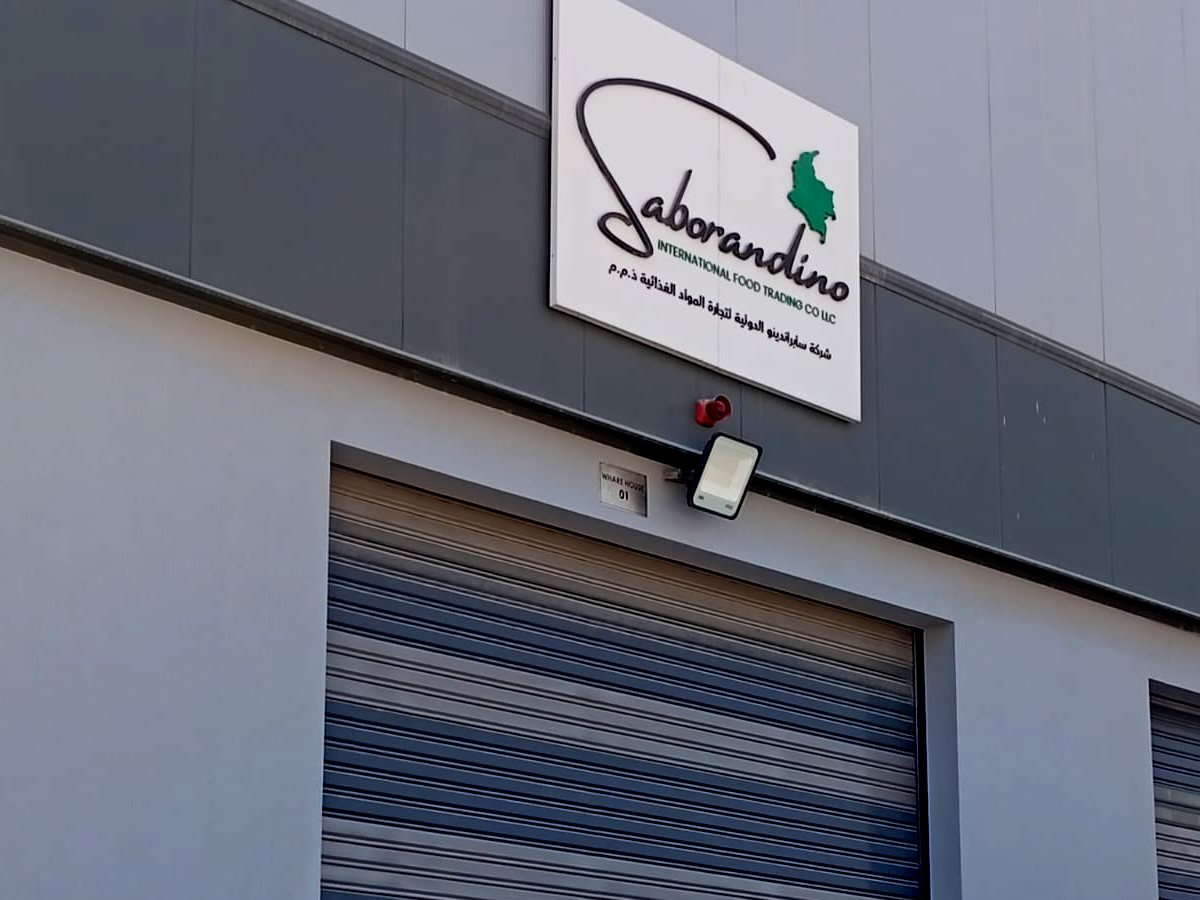
Walk down any commercial street in Dubai and you will see both: the glossy, light-transmitting faces of acrylic sign boxes and the flat, sharp-edged precision of aluminium composite panels. Both are everywhere. Both work. But they are not interchangeable.
Choosing the wrong material for your sign board is a mistake that costs money twice — once when you pay for the sign, and again when you replace it earlier than expected or it fails to represent your brand the way you intended.
Here is a clear comparison.
Acrylic Sign Boards
Acrylic (also called Perspex or PMMA) is a transparent or translucent plastic sheet that can be cut, shaped, printed on, and illuminated from behind. It is the dominant material for illuminated sign boxes and backlit fascia signs.
Strengths
Light transmission: Acrylic transmits light beautifully. For illuminated signs — LED sign boxes, backlit channel letters, lightboxes — acrylic faces produce even, glowing illumination that no other material matches at the price point.
Colour options: Acrylic is available in hundreds of standard colours, and can be digitally printed in full colour. Coloured acrylic (where the colour runs through the material) maintains its appearance even as the surface weathers.
Formability: Acrylic can be heat-bent into curves and three-dimensional shapes. This makes it the material of choice for shaped sign faces, curved lightboxes, and 3D lettering.
Weight: Acrylic is lighter than aluminium for equivalent panel sizes, which simplifies wall fixings and reduces structural load.
Cost: For illuminated applications, acrylic is typically more cost-effective than alternatives.
Weaknesses
UV degradation: Standard acrylic yellows and becomes brittle under prolonged UV exposure. Dubai's UV index accelerates this significantly. UV-stabilised acrylic (specified as UV-resistant grade) is essential for any exterior application — do not accept standard grade for outdoor signs.
Impact resistance: Acrylic cracks and shatters under impact. It is not suitable for ground-level signs in high-traffic areas, or anywhere it might be struck by vehicles, trolleys, or equipment.
Scratch susceptibility: Acrylic scratches more easily than aluminium. Cleaning requires care — abrasive cloths or dry wiping will leave permanent marks.
Thermal expansion: Acrylic expands and contracts significantly with temperature changes. In Dubai's climate (surface temperatures ranging from 15°C in winter to 80°C+ in summer on south-facing surfaces), this movement must be accommodated in the sign design. Poor installation causes warping and face-popping.
Aluminium Sign Boards
Aluminium composite panel (ACP) — two thin aluminium skins bonded to a polyethylene core — is the most widely used material for flat sign faces, fascia cladding, and non-illuminated sign boards in Dubai.
Strengths
Durability: ACP is highly resistant to impact, weathering, and UV degradation. A quality ACP sign board in Dubai can look sharp for 10+ years with basic maintenance.
Dimensional stability: Unlike acrylic, ACP does not warp or expand significantly with temperature changes. It stays flat and true in Dubai's extreme heat.
Surface quality: ACP has a smooth, consistent surface that accepts digital printing, vinyl graphics, and paint finishes with excellent results. The flat surface produces sharp, clean graphics.
Rigidity: ACP panels are rigid and self-supporting at standard thicknesses (3mm or 4mm), which simplifies installation and allows larger sign faces without visible deflection.
Fire rating: ACP is available in fire-rated grades (FR core) that comply with Dubai Civil Defence requirements for commercial buildings. This is a regulatory requirement in many applications — always specify FR grade for building-mounted signs.
Versatility: ACP is used for sign faces, fascia cladding, building identification panels, directory boards, and wayfinding signs. It is the most versatile sign material in commercial use.
Weaknesses
Not suitable for illumination: Standard ACP is opaque. It cannot be backlit. For illuminated signs, acrylic or polycarbonate faces are required.
Cold appearance: Flat ACP signs can look corporate and utilitarian if not designed carefully. They lack the premium feel of brushed stainless steel or the warmth of timber.
Edge finishing: Cut ACP edges are sharp and require finishing (folding, capping, or edge trim) for a professional result. Poorly finished edges are a common quality indicator.
Head-to-Head: Which to Choose
| Application | Recommended Material |
|---|---|
| Illuminated sign box / lightbox | Acrylic face |
| Non-illuminated flat fascia sign | Aluminium composite panel |
| 3D channel letters (illuminated) | Acrylic face with aluminium returns |
| 3D channel letters (non-illuminated) | Aluminium or stainless steel |
| Outdoor directory board | Aluminium composite panel |
| Wayfinding signs | Aluminium composite panel |
| Exhibition stand graphics | Aluminium composite panel |
| Window graphics | Vinyl on glass (neither) |
| Hoarding panels | Aluminium composite panel |
The Fire Rating Question
This is critical in Dubai and non-negotiable: any ACP used on a building exterior must be fire-rated (FR core, not PE core). The Grenfell Tower fire in 2017 — caused in part by non-fire-rated ACP cladding — led to significantly tightened regulations globally, including in the UAE.
Dubai Civil Defence requires FR-grade ACP for all building-mounted signage. Reputable sign companies will only specify FR grade as standard. If a supplier quotes you standard PE-core ACP for an exterior application, that is a red flag.
A Note on Polycarbonate
There is a third material worth mentioning: polycarbonate. It is more impact-resistant than acrylic (virtually unbreakable), transmits light well, and is available in UV-stabilised grades. It is more expensive than acrylic and has slightly lower light transmission, but for illuminated signs in locations with impact risk (ground level, car parks, areas accessible to the public), polycarbonate is worth the premium.
Sign Design Dubai fabricates sign boards in acrylic, aluminium composite, stainless steel, and polycarbonate — and will always recommend the right material for your specific application, location, and budget. Get a quote or contact us to discuss your project.
Explore Topics
Written by
Sign Design Dubai
Content creator and writer sharing insights and stories.
Found this useful?
Share it with your team or save it for later.

