Illuminated Signs and Energy Costs in Dubai: What LED Actually Saves You
Illuminated signs run 12+ hours a day in Dubai. The difference between LED and older lighting technology is not just environmental — it shows up directly on your DEWA bill. Here are the real numbers.
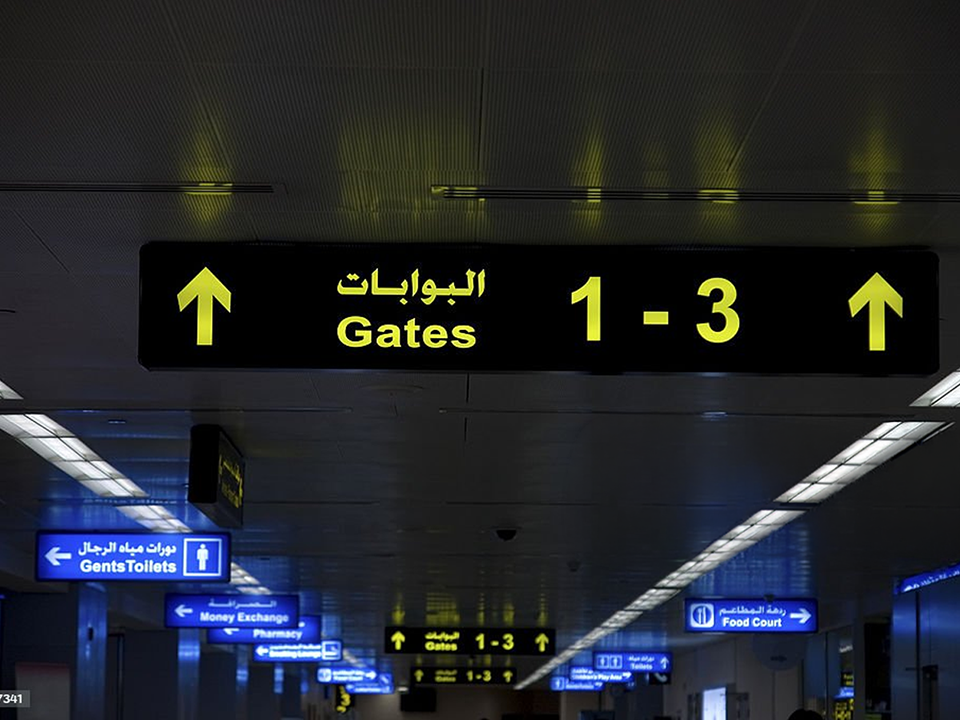
An illuminated sign in Dubai typically runs for 12–14 hours a day. In a city that operates around the clock, with retail and hospitality venues open late and businesses that need to be visible after dark, illuminated signage is not optional — it is a basic requirement.
What is optional is how much electricity that sign consumes. The difference between a well-specified LED sign and an older fluorescent or neon system is significant — and it shows up directly on your DEWA bill every month.
Here are the real numbers.
How Illuminated Signs Are Powered
Before comparing technologies, it helps to understand what is actually consuming electricity in an illuminated sign.
LED sign boxes: A cabinet with an acrylic or polycarbonate face, illuminated from inside by LED strip modules. The LEDs are powered by a driver (a transformer that converts mains voltage to the low voltage the LEDs require). Modern LED sign boxes are highly efficient.
LED channel letters: Individual three-dimensional letters with LED strips inside. Each letter has its own LED module. Very efficient — only the letter faces are illuminated, not a large cabinet.
Fluorescent sign boxes: Older sign boxes use fluorescent tubes (similar to office strip lighting) to illuminate the face. Significantly less efficient than LED and with a shorter tube lifespan.
Neon (gas discharge): Traditional glass neon tubes filled with gas that glows when energised. Beautiful, but high voltage and relatively high energy consumption compared to LED neon flex.
LED neon flex: Flexible LED strips designed to mimic the appearance of glass neon. Much lower energy consumption and voltage than glass neon, with comparable visual effect.
The Numbers: LED vs Fluorescent vs Neon
For a typical medium-sized illuminated fascia sign (approximately 2m × 0.6m):
| Technology | Typical wattage | Daily consumption (13 hrs) | Monthly consumption | Monthly DEWA cost* |
|---|---|---|---|---|
| LED sign box | 40–60W | 0.65 kWh | 19.5 kWh | ~AED 8–12 |
| Fluorescent sign box | 150–200W | 2.28 kWh | 68.3 kWh | ~AED 27–41 |
| Glass neon | 200–350W | 3.58 kWh | 107.3 kWh | ~AED 43–64 |
| LED neon flex | 30–50W | 0.52 kWh | 15.5 kWh | ~AED 6–9 |
*Based on DEWA commercial tariff of approximately AED 0.40–0.60 per kWh (Slab 1–2 for commercial customers). Actual costs vary by consumption tier and connection type.
The saving: Switching from a fluorescent sign box to LED reduces energy consumption by approximately 70%. For a single medium sign, that is a saving of AED 15–30 per month — AED 180–360 per year.
For a business with multiple illuminated signs — a retail chain, a hotel, a large commercial building — the savings scale proportionally and become significant.
LED Lifespan vs Maintenance Costs
Energy consumption is only part of the cost equation. Maintenance and replacement costs matter too.
LED modules: Rated lifespan of 50,000–100,000 hours. At 13 hours per day, that is 10–21 years before the LEDs reach 70% of their original brightness (the standard L70 rating). In practice, LED signs in Dubai typically need module replacement after 7–10 years due to the accelerating effect of heat on LED degradation.
Fluorescent tubes: Rated lifespan of 8,000–15,000 hours. At 13 hours per day, that is 1.7–3.2 years. Tubes need replacing every 2–3 years, and the replacement requires a technician to open the sign cabinet.
Glass neon: Lifespan varies widely — 8,000–15,000 hours for the gas discharge, but glass neon is fragile and breakage is common. Repairs require a specialist neon craftsman, which is increasingly rare and expensive.
The maintenance saving: An LED sign that runs for 10 years without tube replacement saves the cost of 3–5 fluorescent tube replacement cycles. In Dubai's heat, where technician call-out costs are significant, this is a real saving.
Heat and LED Performance in Dubai
LED efficiency in Dubai's climate deserves specific attention. LEDs are sensitive to heat — high ambient temperatures reduce both efficiency and lifespan.
The problem: A sign cabinet in direct sun in Dubai summer can reach internal temperatures of 60–70°C. At these temperatures, LED drivers fail faster and LED modules degrade more quickly than their rated specifications (which are typically tested at 25°C ambient).
The solution:
- Ventilation: Quality sign cabinets have ventilation slots or active cooling to manage internal temperature. Sealed cabinets trap heat and accelerate LED degradation.
- Driver quality: Cheap LED drivers fail in heat. Specify name-brand drivers (Meanwell, Inventronics, or equivalent) with a temperature rating appropriate for Dubai conditions.
- LED module rating: Specify LED modules rated for high-temperature operation (Ta 50°C or higher).
- Orientation: South-facing signs in direct sun run hotter than north-facing signs. Factor this into the specification.
A sign company that does not ask about your sign's orientation and specify accordingly is cutting corners that will cost you in premature failures.
Timers and Smart Controls
The simplest way to reduce illuminated sign energy costs is to ensure the sign is only on when it needs to be.
Astronomical timers: Switch the sign on at sunset and off at a set time (midnight, 1am, or whenever your business closes). Astronomical timers adjust automatically for seasonal changes in sunset time — no manual adjustment needed.
Photocells (light sensors): Switch the sign on when ambient light drops below a threshold and off when it rises. More responsive than timers but can be affected by nearby light sources.
Smart controls: For larger sign installations, networked controls allow remote monitoring and scheduling. You can see which signs are on, adjust schedules remotely, and receive alerts when a sign fails.
A sign that runs from 6pm to midnight instead of 24 hours reduces energy consumption by 50% and extends LED lifespan proportionally.
When to Retrofit vs Replace
If you have existing fluorescent or neon signs, the question is whether to retrofit LED modules into the existing cabinet or replace the sign entirely.
Retrofit makes sense when:
- The sign cabinet is in good structural condition
- The sign face (acrylic) is undamaged and not yellowed
- The sign design is current and does not need updating
Replace makes sense when:
- The cabinet is corroded, warped, or structurally compromised
- The acrylic face is yellowed or cracked
- The sign design needs updating anyway
- The sign is more than 8–10 years old
In most cases, a sign that is old enough to have fluorescent tubes is also old enough that the cabinet and face need replacing — making a full replacement more cost-effective than a retrofit.
Sign Design Dubai installs LED illuminated signs, retrofits existing sign cabinets to LED, and specifies energy-efficient lighting systems for commercial signage across Dubai. Get a quote or contact us to discuss your illuminated sign project.
Explore Topics
Written by
Sign Design Dubai
Content creator and writer sharing insights and stories.
Found this useful?
Share it with your team or save it for later.